
How to become a graphics designer
Graphic Designer job description:
A Graphic Designer is an artist who creates visual text and imagery. They design creative content for online campaigns, print ads, websites, and even videos.
This Graphic Designer job description template has all the main duties and responsibilities for this role and is easy to customize for your needs.
Graphic Designer responsibilities include:
- Conceptualizing visuals based on requirements
- Creating images and layouts by hand or using design software
- Testing graphics across various media
- Testing graphics across various media
What is the role of a Graphic Designer?
The Graphic Designer job description includes the entire process of defining requirements, visualizing and creating graphics including illustrations, logos, layouts and photos. You’ll be the one to shape the visual aspects of websites, books, magazines, product packaging, exhibitions and more.
Your graphics should capture the attention of those who see them and communicate the right message. For this, you need to have a creative flair and a strong ability to translate requirements into design. If you can communicate well and work methodically as part of a team, we’d like to meet you.
The goal is to inspire and attract the target audience.
Responsibilities
- Study design briefs and determine requirements
- Schedule projects and define budget constraints
- Conceptualize visuals based on requirements
- Prepare rough drafts and present ideas
- Develop illustrations, logos and other designs using software or by hand
- Use the appropriate colours and layouts for each graphic
- Work with copywriters and creative director to produce final design
- Test graphics across various media
- Amend designs after feedback
- Ensure final graphics and layouts are visually appealing and on-brand
Requirements and skills
- Proven graphic designing experience
- A strong portfolio of illustrations or other graphics
- Familiarity with design software and technologies (such as InDesign, Illustrator, Dreamweaver, Photoshop)
- A keen eye for aesthetics and details
- Excellent communication skills
- Ability to work methodically and meet deadlines
- Degree in Design, Fine Arts or related field is a plus
What does a Graphic Designer do?
- Graphic Designers produce visual concepts to communicate ideas that inspire, inform and captivate consumers.
- What are the duties and responsibilities of a Graphic Designer?
- Graphic Designers are responsible for developing various types of creative content for advertisements, brochures, or magazines. They do this with multiple tools depending on the medium and goals of the final project.
- What makes a good Graphic Designer?
- A good Graphic Designer must have a natural eye for design and color and design imaginative content that effectively resonates with their audience. They also have to use different marketing tools to create beautiful work according to their customers’ needs.
- Who does a Graphic Designer work with?
- Graphic Designers typically work on a team with other designers and marketing experts to complete a project. Often, a Senior Designer supervises and directs the team or individuals on the necessary tasks to complete the final project.
|
Becoming a graphics designer e-book:
34 pages in PDF |
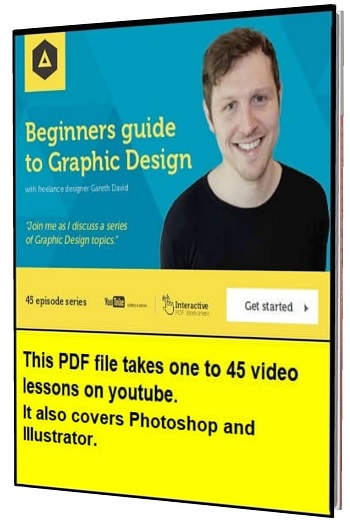
Beginners guide to graphics design e-book:
76 pages in PDF |
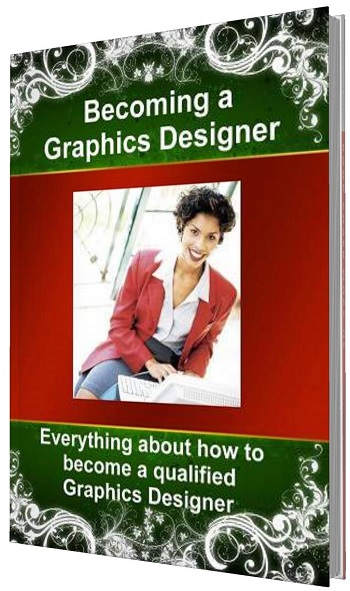
Becoming a Graphics Designer
Table of contents:
Part 1 – Learn the basics to becoming a graphics designer
Introduction
Chapter 1 – The role of the graphics designer
Chapter 2 – Qualifications in order to become a graphics designer
Chapter 3 – Is a graphics design degree essential?
Chapter 4 – The types of graphic design programs available
Chapter 5 – How to choose the right graphics design educational facility
Part 2 – Social sharing and “Interactive” graphics design
Introduction to social sharing and “Interactive” graphics design
Chapter 6 – Elements of social sharing and “Interactive” graphics
Chapter 7 – Basic HTML tags for beginners
Chapter 8 – How to create a product box
Chapter 9 – How to create boxes with rounded corners
Chapter 10 – How to create reflections
Chapter 11 – Skills you need to create social sharing and “Interactive” websites
Chapter 12 – Tips on choosing fonts for your website design
Chapter 13 – Three tips on how to become a better web designer
Chapter 14 – Tools you can use in creating a social sharing and “Interactive” design
Chapter 15 – Responsive or adaptive web design
Conclusion
Buy the two e-books listed above for R1 500.00 (together with 45 videos on graphics design).
Plus:
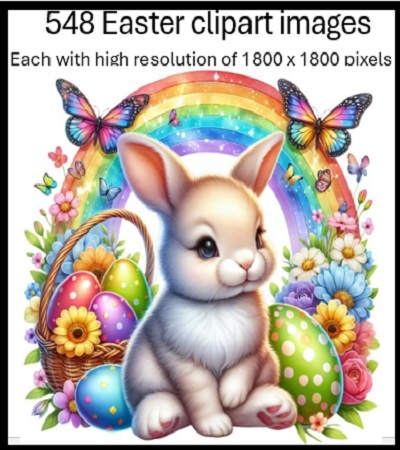
Get the graphics featured below as a bonus:
Find online graphic designer jobs here when you are ready: https://www.upwork.com/hire/graphic-designers/job-description/
and here: https://www.remotejobs.io/
Request a R1500.00 invoice for the graphics bundle on this page: https://career-advancement.co.za/request-for-invoice/